
Objectifying is commonly described as treating a person as an object, a commodity or a physical specimen rather than focusing on their thoughts, emotions and beliefs.
Objectifying is part of writing.
Authors must objectify their characters to a certain extent in order to convey to the reader the character’s physical qualities. And when an author does this, we focus on various aspects of their physical appearance. Details about their anatomy will draw a picture in the reader’s mind.
Eyes. Hair. Lips. Jawline. Neck. Shoulders. Breasts. Chest. Abdomen. Hips. Legs.
You get the point.
In romance novels, objectifying characters goes to extremes. It’s not just about defining a character’s physical qualities, it’s about making these physical qualities so stirring and breathtaking, so beguiling, they become a fascination to the point of distraction. And the extreme nature of this objectification only increases with heightened danger and violence.
I personally have a distaste for this kind of extreme objectification storytelling.
I understand there’s a huge market for this sort of literature out there, but I personally have a problem reading it.
Attraction is normal and healthy, even infatuation. And at times, objectification has a place and roll to fill in storytelling. Some characters can exhibit it more than others. Excess, however, I find, can ruin an otherwise good story.
So why am I bringing this up now?
Because I’m currently reading a popular fantasy novel (I won’t state the title because I plan to write a review when I’m done) that I am really liking but also really hating.
The book is promoted as “adult romansy” or “adult fantasy”.
The fantasy part is the reason I decided to give the book a chance.
I have read my fair share of adult romance novels over the years and it’s not my favorite genre. I haven’t really found any I really like, not saying some of them weren’t well written. They just don’t intrigue or enchant me.
This book would be a first – but…
The author has done a good job of introducing some interesting fantasy elements, along with some exciting well-crafted scenes, action and non-action.
The chief problem, however, besides having to live in the main character’s head from start to finish, is the nonstop objectification the main character has towards a man she wants to loathe (and kill).
It’s constant. She can’t help herself. Even in peril, with her life on the line, she is somehow still distracted by his eyes, by his smell, by his broad shoulders. The objectification doesn’t just play a part in the story; it often becomes the story.
As I’m reading deeper into the book, I’m beginning to wonder how much more impactful the story might have been without so many lines of objectification occurring. It would definitely be a much shorter read.
Perhaps the objectification is the book’s chief strength. That’s probably why it’s so popular.
One of my daughters has already read it and told me she loves it.
For me, as a reader, I find myself cringing and sometimes glossing over the objectifying portions, seeking the places where the storytelling picks up again.
I don’t know if I have any real purpose in offering you this insight other than sharing my personal opinion about objectifying.
I’ve written characters that objectify.
I’ve written characters that are targets of objectification.
I can’t imagine I will ever write a book where the entire story is anchored in the objectification of one character for another character.
In love? Yea.
Infatuated. Perhaps.
Objectified? No.
Hope you can take something away from this rambling.
What are your thoughts on objectifying characters in romance fantasy novels?
Are you a fan of them?
Below I have included some of my recent book reviews.
Until next time, stay inspired and keep reading.
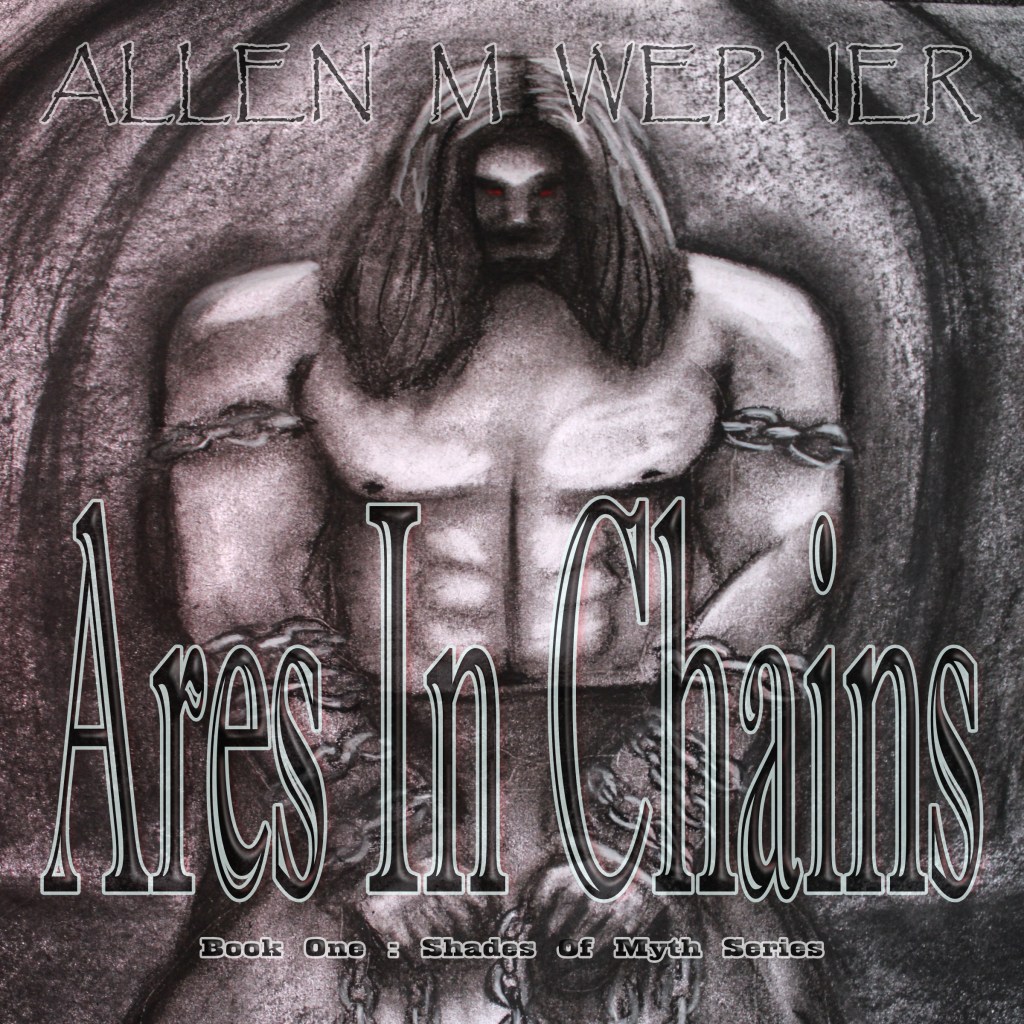
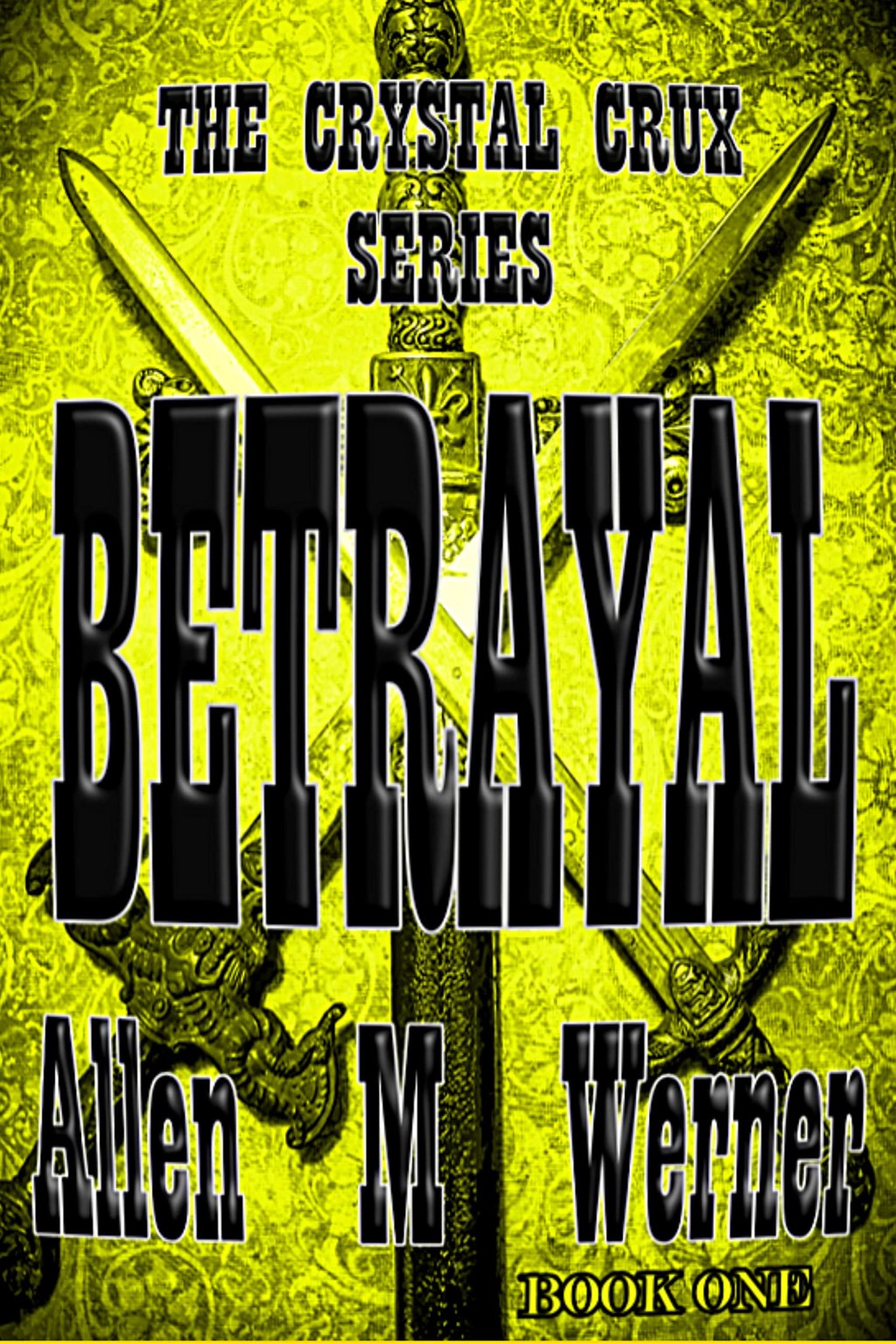
Allen M Werner is the author of the epic dark fantasy tale The Crystal Crux Series, as well as, Ares in Chains, the first in the Shades of Myth series.




I’d like your feedback