
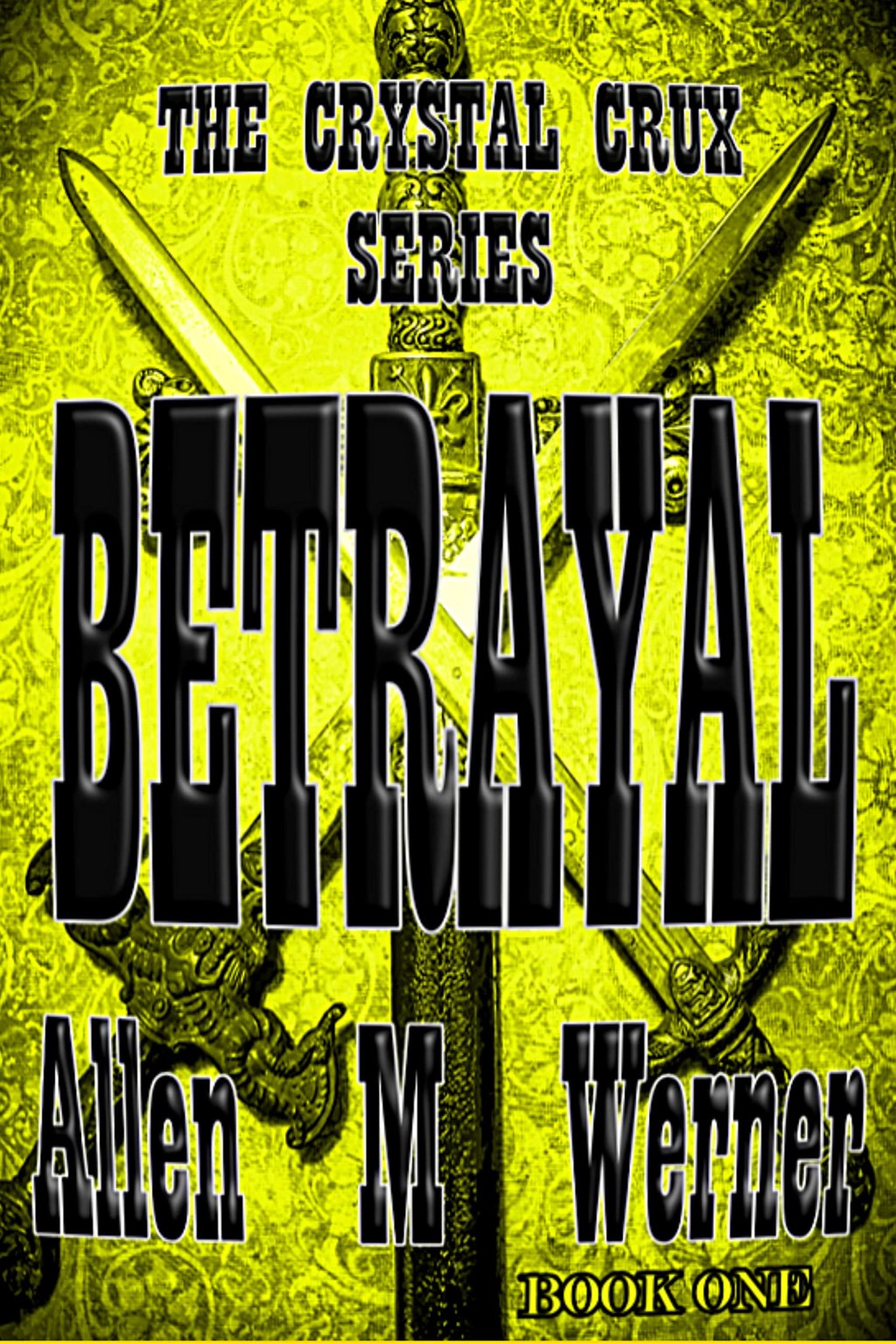
Protagonist comes from the ancient Greek word ‘protagonistes’ meaning chief actor or chief player. This is the character whose actions and decisions drive the story.
I purposefully decided not to introduce the readers to my chief protagonist until Chapter 10 – Bastard Son, because The Crystal Crux series was born out of a short story I wrote back in the early 80s.
In that story, it began with a small boy finding a crystal in a quarry, and the power of the crystal leading him out into the woods where he happens near nightfall upon an old man sitting outside a dilapidated shed. The boy is lost and unsure how to find his way home, so the stranger, after seeing the beautiful crystal the boy is carrying, invites him inside for food, drink and safety from the night animals. He also tells the boy he knows a wonderful story about that crystal he’s carrying.
The boy reluctantly goes in and the old man tells him the story of the protagonist – Pero de Alava.
Sidenote: In the short story version, I originally wrote, the story takes place at the fall of the Roman Empire and Pero was Alexander, a tribune, who didn’t have a last name. The story required a lot of development.
I decided to hold onto the idea of revealing Pero de Alava later rather than immediately. I’ve had some criticism about that decision, but it is what I chose to do and how I wanted it revealed.
I wanted the reader to understand a little bit about the depths of darkness Pero would be dealing with. Even the opening two chapters with Meliore being assassinated by her sons accidently, gives weight to the evil these villians are capable of.
In November of 1193, despite Rome’s objections, the emperor assigned a Spanish caballero, Pero de Alava, to be the judicature of affairs in and around the Italian fortress guarding and taxing the bridge over the Volturno River in Capua. It was Pero’s first imperial commission.
The Crystal Crux Series is set in the year 1198. Pero has been successfully administrating the affairs from the keep in Capua for five years.
Every posting comes with risks, but Capua is the tip of the southernmost extent of the Holy Roman Empire’s reach into Italy. The Italians don’t want the Empire in their lands. They don’t want a Spaniard administrating over a castle in their lands. And the Church is opposed to the posting. Everything is stacked against Pero, but Pero has succeeded despite all.
On September 28, 1197, the heart exploded, and blood flowed. Emperor Henry VI died. Civil war erupted. Pawns beware.
Until the Emperor died, Pero felt secure in the idea that the Empire had his back, that if any problems, real military problems, Henry would send troops to help him. But Henry died in Pero’s fourth year, and Pero is starting to feel a bit more vulnerable. He is about to get married and start a family. He feels the ground moving beneath his feet.
Because he has been successful and made a lot of good friends in Italy, secured some powerful alliances with local guilds and mayors, he still has positive outlook.
The civil unrest that is happening is in other parts of Europe, especially Germany. That’s where two powerful men are vying for the crown.
Pero is quite certain all will be well if the former Emperor’s brother, Philip of Swabia is crowned. Philip and Henry were both sons of Frederick Barbarossa, the Emperor who knighted Pero when he was seventeen.
Anthea Manikos, her hands still warm from Pero’s last embrace, touched a fat roll of sindon resting on a merchant’s table.
Anthea Manikos is Pero’s bride.
Here in Chapter 10, we finally meet the two figures who drive a great portion of the story.
They have taken an early morning stroll to La Torre, a small town near to Capua where a market is opening. It is a special market because traders from overseas have come. This is due to Pero’s arrangement with the Almohads in Spain, the arrangement he was being honored for at the banquet that descended into chaos and resulted in him breaking Rugerius Fabbro’s jaw.
Anthea wasn’t surprised to find her fiancé staring into the abyss. He had been disconnecting from reality for weeks now. Always without warning. There was much cause for concern.
One of the main things readers of The Crystal Crux Series must understand is that they are meeting Pero at his weakest state. He’s never been this low in his entire life. He’s never been this disconnected and hopeless. The real Pero, the one everyone in the story is accustomed to, is confident and sure of himself, successful and compassionate. A tireless worker who wisely makes decisions that help everyone around Capua.
But for weeks now, he’s not been himself. Not since the banquet, not since breaking Rugerius’ jaw and being sent away from Parthenope.
This is not how Pero normally is and it is as frustrating to the reader as it is to the characters who know him best. They don’t understand his downturn.
After Pero was born, Blassilo and Maria agreed to split the child’s time between them, offering him the best both of their worlds had to offer.
Before the story moves forward, the reader is given some of Pero’s backstory, why he is a bastard son.
His father, Blassilo Velez, was a rich knight in Spain with many ranches. He never married and sired children with many women, but none of the women were recognized or honored like Pero’s mother, Maria Alava.
Maria Alava had a special place in Blassilo’s heart, and he would have done nearly anything for her.
Maria Alava was a religious woman who knew loving Blassilo was wrong, but she was smitten. She also refused to tie him down by marrying him. She knew he was a rogue and feared he wouldn’t be happy in marriage. She also knew she wouldn’t be happy living on one of his ranches. They agreed to live separate lives.
Pero spent six summer months with his father, learning how to be a soldier, how to use a sword and bow, ride a horse, bullfight, swim, fish and hunt.
Pero spent six winter months with his mother in the city of Valladolid where he went to school and learned several languages and made friends with students of various backgrounds. Spain was a wide-open country and many cultures clashed there. Pero learned how to negotiate and get along with people who were different. He also spent a lot of time in Church and learned to pray. He placed a lot of faith in God to get him through difficult times in his life.
And that’s a pretty good synopsis of Chapter 10.
Pero is revealed to the reader.
Next up, Chapter 11, and Pero’s interaction with Anthea at the La Torre market.
Until next time, stay inspired and keep reading.





I’d like your feedback